
IT Support for Retail Businesses in Kenya
Retail runs on thin margins and unforgiving moments. Picture a frozen till at 6 PM on a Friday. Imagine a stock count that doesn’t add up. Think of an M-Pesa payment that never lands in the day’s reconciliation. Generic office IT support, built around email and printers, isn’t built for any of this. Retail businesses in Kenya need IT support that understands what actually keeps a shop floor running.
This matters at real economic scale. Wholesale and retail trade is one of Kenya’s largest employment sectors, and services including retail now make up the largest single share of Kenya’s GDP. Whether you’re running a single shop or a multi-branch chain, the businesses winning in this sector aren’t necessarily the ones with the lowest prices. They’re increasingly the ones whose systems simply don’t fail at the worst possible moment.
What Makes Retail IT Different From Standard Office IT
A typical office can absorb an hour of network downtime with minor annoyance. A retail counter cannot. Every minute a till is down is a queue of customers who can walk out. In a competitive shopping strip, they usually do. Retail IT support needs to be built around a few realities that don’t apply to a standard back-office setup:
• Revenue stops the moment the system stops. There’s no “we’ll process it later” for a checkout queue.
• Payments, stock, and staff activity all need to reconcile daily, not just work individually.
• Staff turnover is higher than most sectors, meaning access controls need to be fast to grant and just as fast to revoke.
• Peak periods create real spikes – end-of-month, festive season, promotional weekends that a system sized for an average day can’t absorb gracefully.
What Retail IT Support in Kenya Should Actually Cover
1. POS Uptime and Offline Resilience
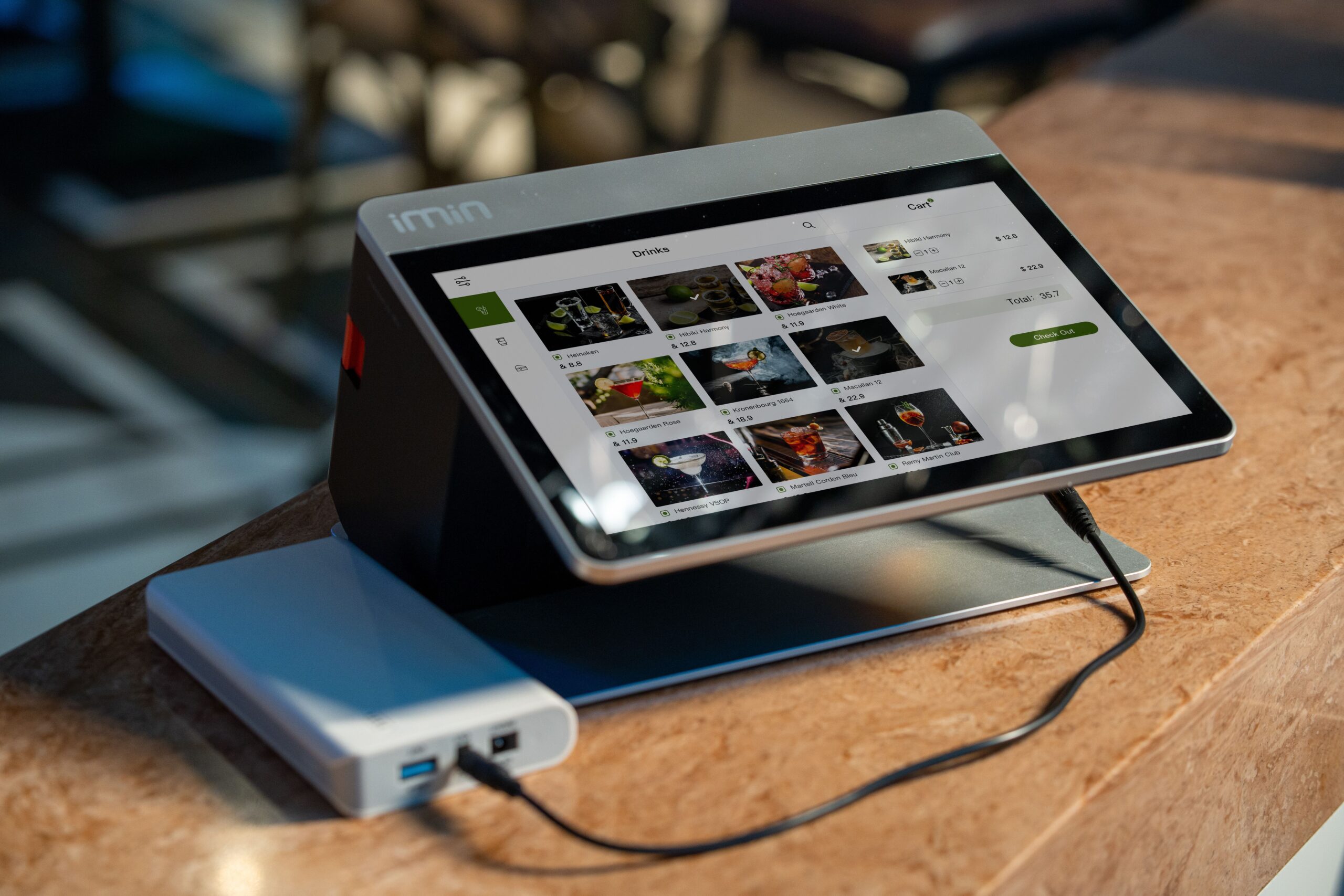
Your point-of-sale system is the one piece of technology directly tied to revenue every single minute it’s running. Good retail IT support includes proactive monitoring that catches a failing till before it goes down mid-queue. Additionally, the POS should keep taking payments via Till Number M-Pesa transactions, for instance even during a brief internet or power outage, rather than stopping sales entirely.
2. M-Pesa Integration and Automated Reconciliation
Manually matching M-Pesa SMS confirmations against till receipts every night is a slow, error-prone habit. A properly integrated POS eliminates this entirely. Payment confirmations land directly against the sale the moment a customer pays. Furthermore, a daily settlement report flags any mismatch automatically not a nightly scramble through dozens of messages.
3. Multi-Branch Visibility From One Dashboard
If you’re running more than one location, calling each branch manager for a daily update isn’t a system it’s a workaround. Proper retail IT support gives head office a single, real-time view of sales, stock, and staff activity across every branch. Consequently, problems surface within hours, not at the next physical visit.
4. Loss Prevention: Permissions, Audit Trails, and CCTV
Kenya’s formal retail sector loses billions of shillings a year to pilferage, and internal theft is often the more costly half of that figure per incident. The same system-level fix applies regardless of business size: individual staff logins (never shared), role-based permissions on refunds and discounts, a reviewed audit trail of every void and price override, and CCTV footage timestamped against POS transactions for real evidence when a discrepancy needs investigating.
5. eTIMS-Compliant Invoicing
Every sale needs to generate a KRA-compliant electronic tax invoice. Doing this as a separate manual step from the sale itself is exactly where mistakes and compliance gaps creep in. Retail IT support includes a POS that generates the eTIMS invoice automatically in the same instant as the sale, with no second system to remember.
6. Reliable Network and Power Backup
Kenya’s power and connectivity realities aren’t optional context, they’re a design requirement. Core network equipment, POS terminals, and CCTV recorders need UPS backup so a short outage doesn’t take the whole shop floor offline. Similarly, a backup connectivity option matters for any retailer where even a brief internet gap is costly during peak trading hours.
7. Fast, Secure Staff Onboarding and Offboarding
Retail has some of the highest staff turnover of any sector. A new cashier should be issued their own login and appropriate permissions within minutes of starting. Just as importantly, a departing staff member’s access should be revoked the same day, not weeks later when someone finally remembers. Slow offboarding is one of the most common, avoidable security gaps in retail.
8. Scalability for Peak Trading Periods
Festive season, end-of-month, and promotional weekends put far more load on your systems than an average trading day. Retail IT support should include planning for these predictable spikes capacity, staffing of support during extended hours, and stress-testing critical systems rather than discovering a bottleneck for the first time on your busiest day of the year.
Common Mistakes Retailers Make With IT
• Juggling separate vendors for POS, network, CCTV, and M-Pesa integration, with nobody accountable when something in between two systems breaks.
• Treating stock reconciliation as a monthly event instead of a weekly habit, letting shrinkage compound for weeks before anyone catches it.
• Sharing till logins “to save time,” which quietly removes any real accountability the moment something doesn’t add up.
• No backup power for core network and POS equipment, turning a routine outage into a full stop on trading.
• Bolting on M-Pesa acceptance without integration, leaving staff to reconcile everything manually every single night.
The Bottom Line
Retail IT support in Kenya isn’t a smaller version of standard office IT it’s a different discipline built around uptime at the till, automated payment reconciliation, loss prevention controls, and compliance that keeps pace with KRA’s requirements. Get these right, and technology stops being a daily risk and starts protecting your margins quietly.
Get IT Support Built Specifically for Retail
Generic office IT support wasn’t designed for a shop floor where every minute of downtime costs real sales. See how Sapiens IT Lab supports retail businesses across Kenya with POS uptime monitoring, M-Pesa integration, loss prevention systems, and eTIMS-compliant setups.
Want IT support that actually understands retail? Book a 15-minute consultation via WhatsApp or request a free on-site IT assessment – we’ll show you exactly where your current setup is exposed.
Chat with Us on WhatsAppFrequently Asked Questions
What's the biggest IT priority for a retail business in Kenya?
Does a small, single-branch shop need the same IT support as a large retail chain?
The priorities are the same – POS reliability, M-Pesa reconciliation, loss prevention, eTIMS compliance even if the scale and complexity differ. A single shop simply needs a right-sized version of the same fundamentals.
How does IT support help with employee theft in retail?
Can a POS system work during a power or internet outage?
A well-designed retail POS can continue accepting certain payment methods, like Till Number M-Pesa transactions, during a connectivity gap. It can sync all records once the connection returns provided the underlying hardware has UPS backup to stay powered through a short outage.


